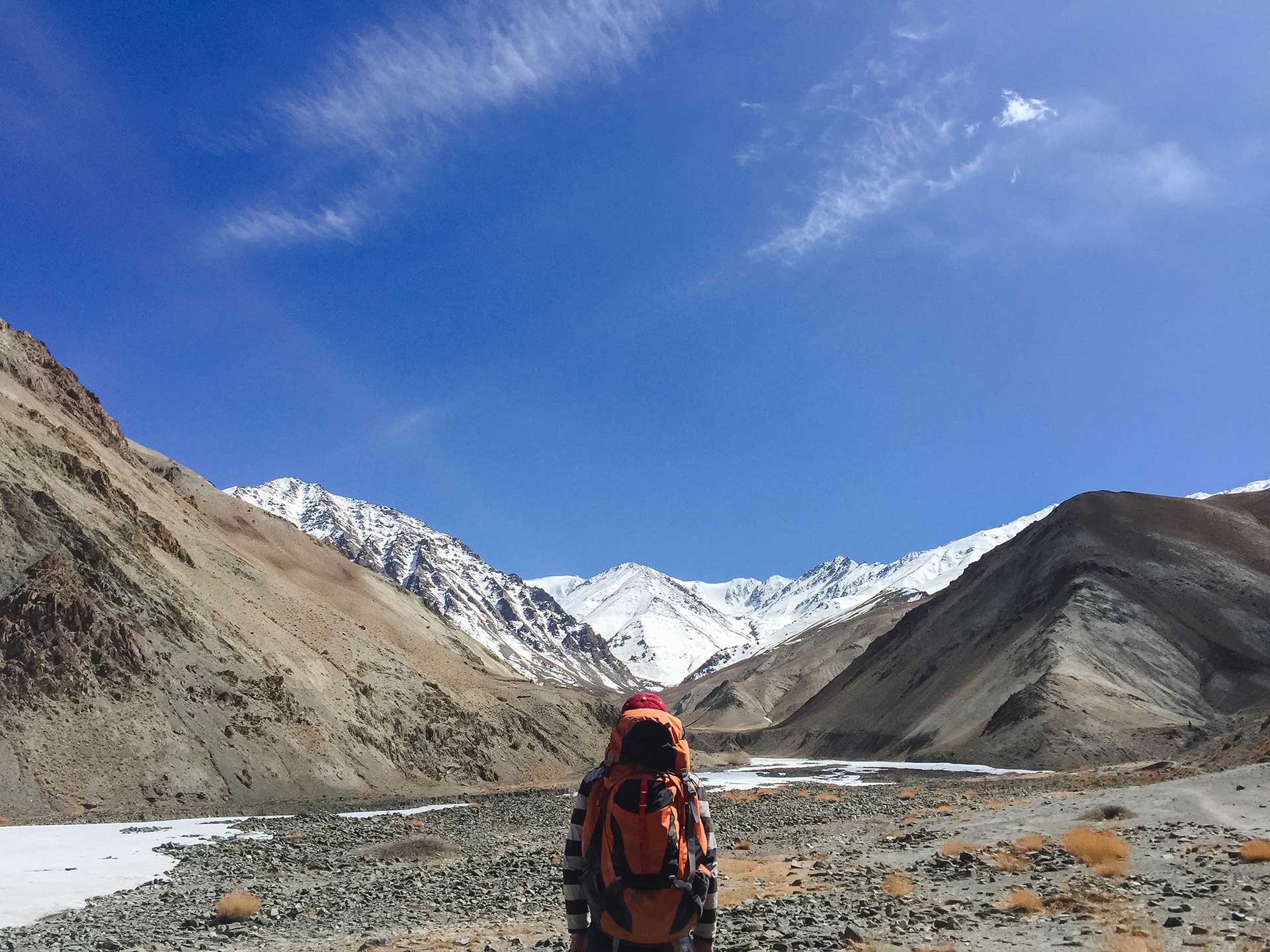
The Nar Phu Valley Trek stands out as one of the lesser-known yet captivating routes within the Annapurna region, often referred to as “the hidden valley trek” due to its relative seclusion from mainstream tourism and modern influences.
A highlight of this trek is the Kang-La Pass (5315m), offering panoramic views of several majestic peaks, including Annapurna II (7937m), Gangapura (7455m), and Tilicho Peak (7134m).
Overview of the 14-Day Nar Phu Valley Trek
To fully experience the Nar Phu Valley Trek, plan for at least 14 days. This trek provides a unique glimpse into the medieval history of the region, with its quaint villages and the rare sight of blue sheep in narrow gorges.
The trek features dramatic cliff trails and some of the highest passes in the region. This secluded land, rich in Tibetan culture, has been preserved for centuries and is visited by only a select few travelers. It offers stunning mountain views and diverse alpine scenery reminiscent of Tibet. The Nar Phu Valley is also considered an off-the-beaten-path destination within the Annapurna trekking trail.
The Annapurna trail begins in Syange and follows popular passes and the Annapurna circuit, including the famous Thorong La pass. From Koto, the trek takes you off the main trail and into the Nar Phu Valley.
The vegetation in this region transitions from alpine to subalpine, providing a habitat for snow leopards and blue sheep. As you trek, you’ll encounter high peaks, remote villages, beautiful forests, impressive rock formations, glaciers, monasteries, and a warm, welcoming local culture. The area is home to around 300 native inhabitants who rely on yak herding and salt trade.
You’ll also have the opportunity to visit the historic Phu village and experience the authentic lifestyle of the local Bhote people and various religious communities.
The government has recently opened Nar and Phu to tourists, which has sparked enthusiasm and motivation among the villagers. The Annapurna Conservation Area Project has extended its network to include Nar and Phu Valley and is developing a tourism plan for this hidden region.
Given the high altitudes, there is a risk of altitude sickness, so proper planning and preventive measures are essential.
The vegetation in the area transitions from alpine to subalpine scrub, supporting populations of blue sheep and snow leopards. The valley preserves medieval Tibetan culture and offers breathtaking mountain views and alpine scenery.
After crossing the Thorong La Pass from the west, you’ll descend into lower Mustang before heading to Jomsom, where you can catch a flight to Pokhara and then return to Kathmandu the next day.
Conclusion
The 14-day Nar Phu Valley Trek offers a unique opportunity to experience the local culture and traditional way of life. For passionate travelers, this trek provides an adventurous experience unlike any other. Camping along the trekking trails adds to the overall awe-inspiring experience.